

Knowledge resources
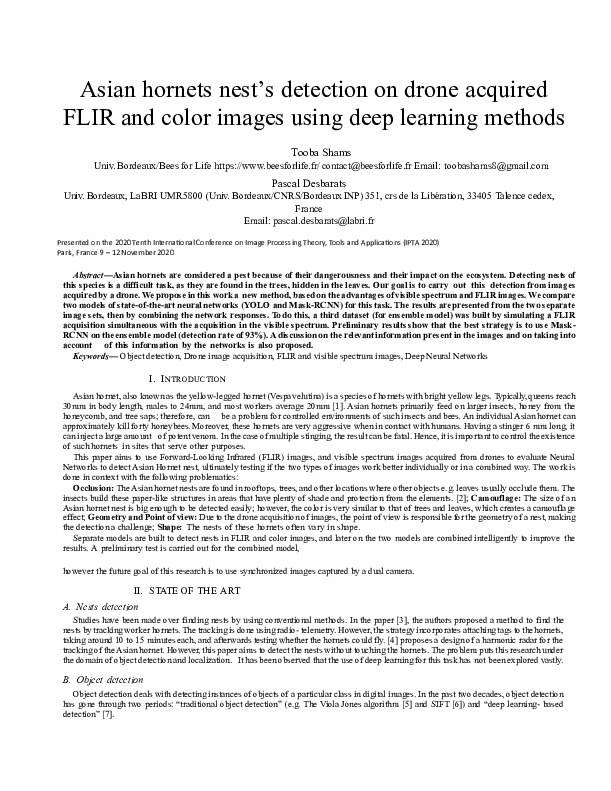
Asian hornets nest’s detection on drone acquired FLIR and color images using deep learning methods 2020 La Bri Tooba Shams and Pascal desbarats
Asian hornets are considered a pest because of their dangerousness and their impact on the ecosystem. Detecting nests of this species is a difficult task, as they are found in the trees, hidden in the leaves. Our goal is to carry out this detection from images acquired by a drone. We propose in this work a new method, based on the advantages of visible spectrum and FLIR images. We compare two models of state-of-the-art neural networks (YOLO and Mask-RCNN) for this task. The results are presented from the two separate image sets, then by combining the network responses. To do this, a third dataset (for ensemble model) was built by simulating a FLIR acquisition simultaneous with the acquisition in the visible spectrum. Preliminary results show that the best strategy is to use Mask-RCNN on the ensemble model (detection rate of 93%). A discussion on the relevant information present in the images and on taking into account of this information by the networks is also proposed.
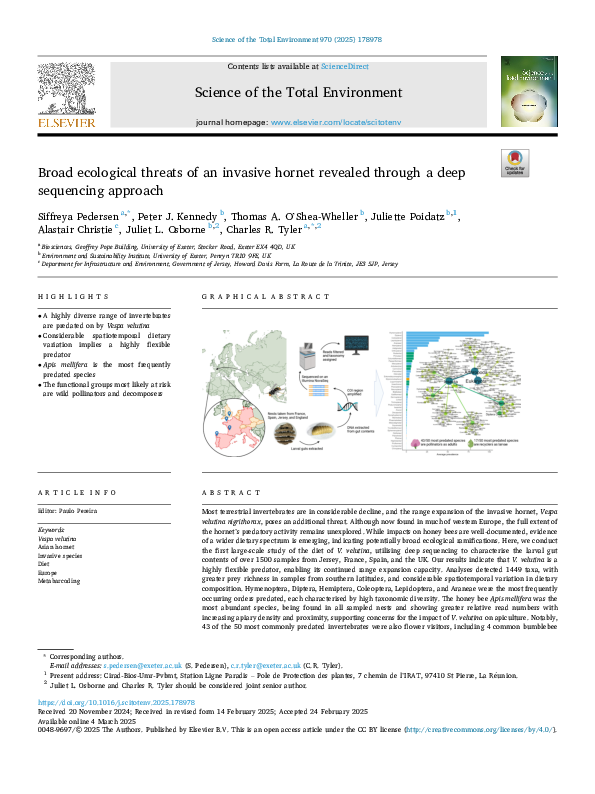
Université Exeter Mars 2025 Les vastes menaces écologiques d'un frelon invasif révélées grâce à une approche de séquençage en profondeur
Des chercheurs de l'Université d'Exeter ont analysé des échantillons de frelons asiatiques provenant de France, d'Espagne, de Jersey et du Royaume-Uni pendant toute la saison d'activité de l'espèce.

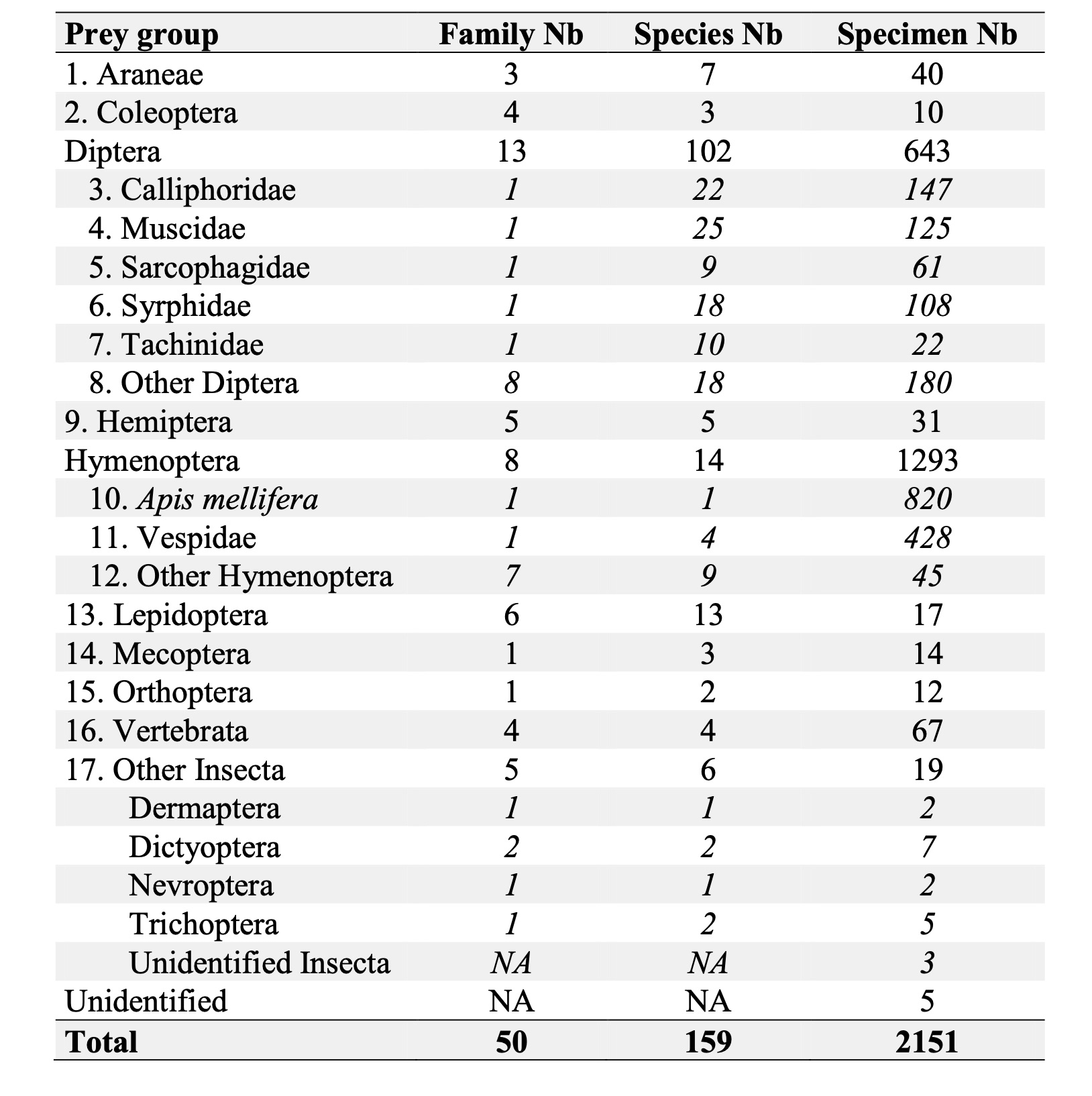
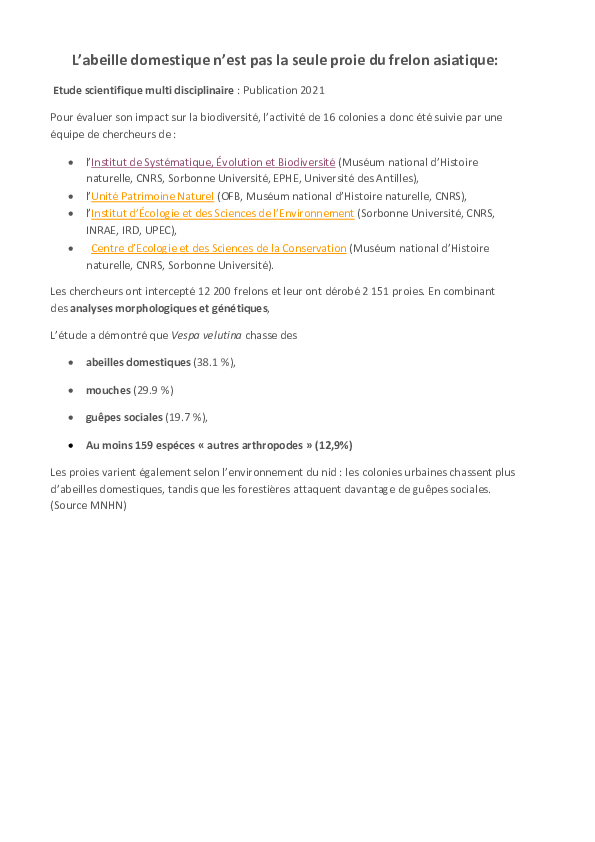
The honey bee is not the only prey of the Asian hornet: Multidisciplinary scientific study: Quentin Rome, Adrien Perrard, Franck Muller, Colin Fontaine, Adrien Quilès, Dario Zuccon & Claire Villemant (2021)
The researchers estimated that a single colony of Asian hornets consumes an average of 11.32 kg of insects in a single season (March to October).

Options for the biological and physical control of Vespa velutina nigrithorax in Europe: a review of the State of Knowledge 2018
Access by chapter



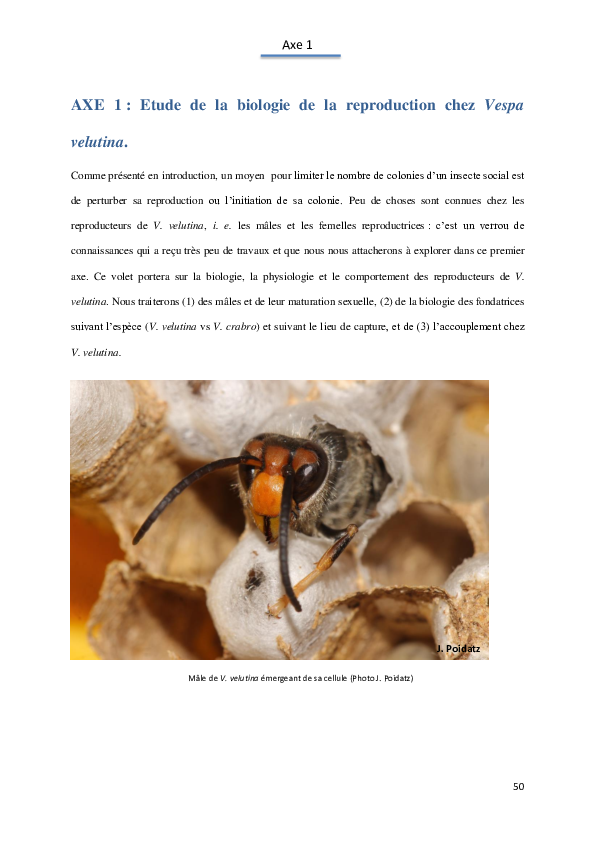
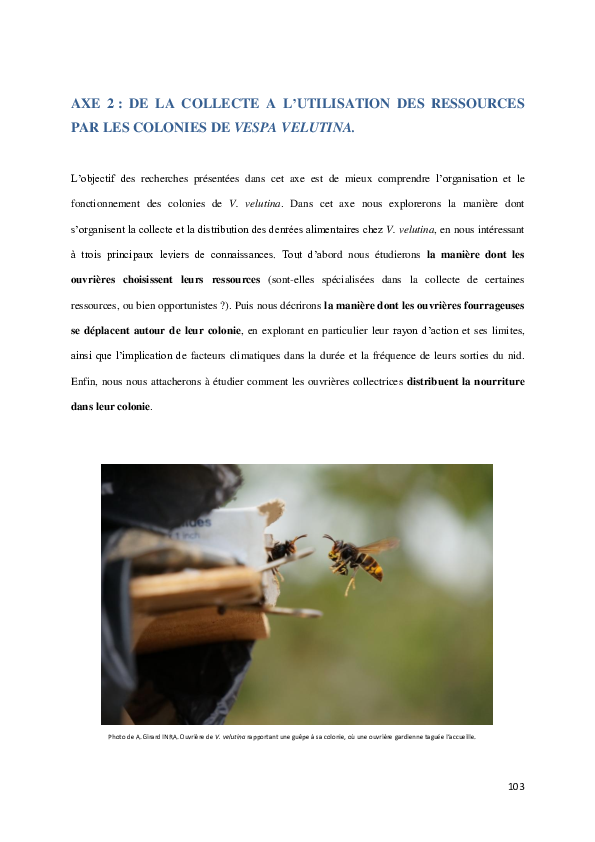
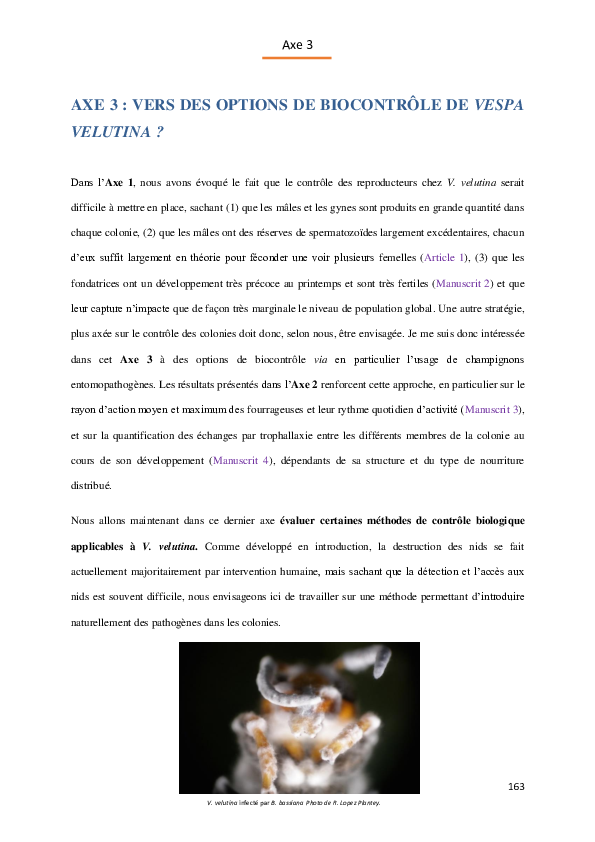
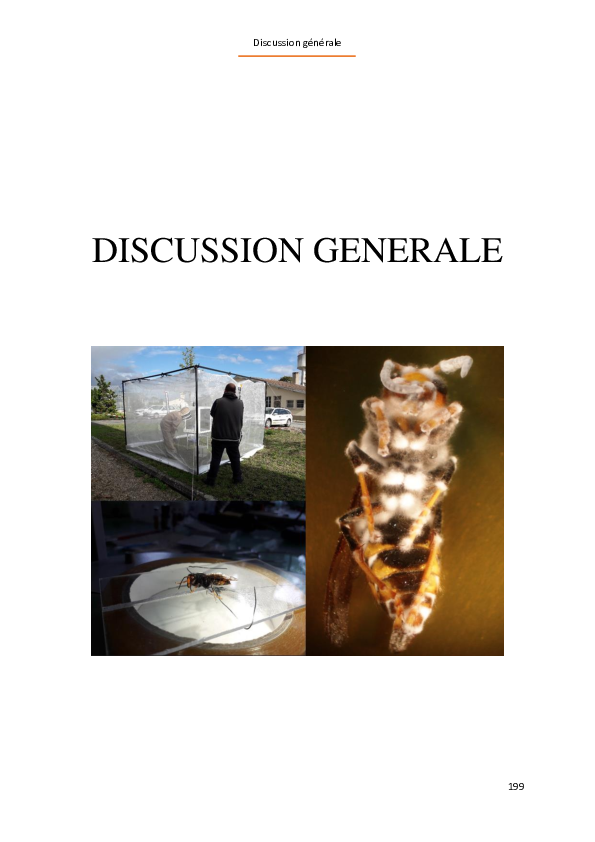
(copie 1)
Many thanks for the author's kind contribution and her permission to publish April 2020. Juliette Poidatz's thesis has shed light on our work on :
Diagnosing the presence of Asian hornet nests as early as possible in the season
Juliette Poidtaz's thesis shows that the vast majority of Asian hornet flights last from 15 minutes to 27 minutes and that the most likely hypothesis for their most frequent flight radius is around 500 metres or even 800 metres from their nest. Among other things, this guides our work on perfecting flight techniques for the solution that Bees For Life is developing to find nests as early in the season as possible.
Current state of knowledge
Éric DARROUZET is a lecturer and researcher at the University of Tours. He has been studying social insects, in particular the Asian hornet (Vespa velutina nigrithorax), for around ten years.
One of the aims of his research is to develop effective and selective control tools.
Bees For Life shares its projects with Eric Darrouzet.
Buy the book "Le frelon asiatique, un redoutable prédateur d'Eric Darrouzet" (in French)